What Is Runner’s Knee?
Runner’s knee is a common problem for many people who run or stay active. In fact, solving runner’s knee often means understanding what causes it. Doctors call it patellofemoral pain syndrome. It means pain around or behind your kneecap. Usually, this pain gets worse with running, squatting, or climbing stairs. But with the right care, you can recover and get back to your favorite activities.
Common Symptoms of Runner’s Knee
Runner’s knee can show up in different ways. However, most people notice these signs:
- Pain around or behind the kneecap
- Pain that gets worse when running or walking downhill
- Stiffness after sitting for a long time
- Swelling around the knee
- A popping or grinding feeling in the knee
If you notice these symptoms, it is important to rest and pay attention to your body. Early action can help prevent the pain from getting worse.
Why Does Runner’s Knee Happen?
Many people think runner’s knee comes from the knee itself. But often, the real problem starts higher up. Weak hip muscles can cause your knee to move in a way that puts extra stress on it. For example, if your hips are weak, your knee may turn inward when you run. This can lead to pain and swelling over time. So, focusing on hip strengthening for knee pain is key to solving runner’s knee.
The Science: How Hip Strength Affects Knee Pain
Research shows that strong hips help keep your knees in line. According to studies in medical journals, weak hip muscles—especially the glutes—can lead to poor knee movement. As a result, your knee takes on more force with each step. Over time, this can cause runner’s knee. But when you strengthen your hips, your knees move better and feel less pain. Therefore, hip exercises are a big part of runner’s knee treatment.
Effective Hip Strengthening Exercises for Runner’s Knee
Adding hip exercises to your routine can help reduce knee pain. Here are some simple moves you can try at home:
- Clamshells: Lie on your side with knees bent. Open and close your top knee like a clamshell.
- Side-Lying Leg Raises: Lie on your side. Lift your top leg up and down slowly.
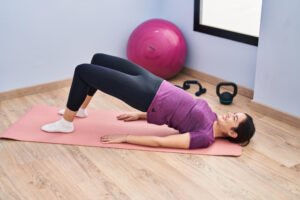
- Bridges: Lie on your back with knees bent. Lift your hips up, then lower them back down.
- Standing Hip Abductions: Stand tall. Lift one leg out to the side, then bring it back.
- Monster Walks: Put a band around your legs. Take small steps to the side while keeping your knees bent.
Start with 2-3 sets of 10-15 reps for each exercise. However, if you feel pain, stop and talk to a physiotherapist.
Prevention Tips for Runners
Preventing knee pain in runners is possible with a few simple steps. Consider these tips:
- Warm up before every run
- Stretch your hips, thighs, and calves
- Strengthen your hips and core muscles
- Wear shoes that fit well and support your feet
- Increase your running distance slowly
- Listen to your body and rest when needed
By following these tips, you can lower your risk of runner’s knee and enjoy running longer.
When to See a Physiotherapist
Sometimes, home care is not enough. If your knee pain lasts more than a week, or if it gets worse, you should see a physiotherapist. They can check your movement and make a plan just for you. In addition, physiotherapy for runner’s knee often includes hands-on care, special exercises, and advice on running form. Early help can speed up your recovery and prevent future problems.
Conclusion and Next Steps
In summary, solving runner’s knee is not just about your knee. Strong hips play a big role in keeping your knees healthy. By adding hip strengthening for knee pain to your routine, you can treat and prevent runner’s knee. If pain continues, do not wait. Consult a physiotherapist at HOPE BRAIN & SPINE Physiotherapy & Rehabilitation Clinic for personalized guidance on solving runner’s knee.