What Is the Pelvic Floor?
The pelvic floor is a group of muscles at the base of your pelvis. These muscles support your bladder, bowel, and, in women, the uterus. Because they act like a hammock, they help keep organs in place. In addition, the pelvic floor muscles play a key role in controlling when you go to the bathroom. They also help with posture and core stability. For both men and women, a healthy pelvic floor is important for daily comfort and strength.
Common Signs of Pelvic Floor Dysfunction
Sometimes, the pelvic floor muscles become weak or too tight. When this happens, you may notice certain symptoms. For example, you might experience:
- Leaking urine when you cough, sneeze, or laugh
- Feeling a heavy or bulging sensation in the pelvic area
- Frequent or urgent need to urinate
- Pain during sex or pelvic pain
- Difficulty emptying your bladder or bowel
However, not everyone has obvious signs. If you notice any of these symptoms, it may be time to learn more about pelvic floor physiotherapy.
How Pelvic Floor Physiotherapy Works
Pelvic floor physiotherapy is a special type of physical therapy. It focuses on assessing and treating the muscles of the pelvic floor. First, a physiotherapist will check your muscle strength and coordination. Then, they will teach you exercises and techniques to improve muscle function. Sometimes, they may use gentle hands-on therapy or special tools. Because each person is different, your treatment plan will be tailored to your needs. According to the World Health Organization, targeted therapy can help restore normal muscle function and improve quality of life.
Key Benefits for Functional Strength and Daily Activities
Many people overlook the benefits of pelvic floor therapy. Yet, a strong pelvic floor supports your core and helps with daily movements. For instance, it can:
- Reduce back and hip pain
- Improve balance and posture
- Prevent urine leaks during exercise or daily tasks
- Support better sexual health
- Enhance confidence in daily life
Because the pelvic floor is part of your core, strengthening it can make everyday activities easier. In fact, research shows that pelvic floor physiotherapy improves strength and function for people of all ages.
Simple Pelvic Floor Exercises for Daily Life
Even simple exercises can help your pelvic floor. Before you start, it’s best to learn the right technique from a physiotherapist. Here are some basic exercises:
- Kegels: Tighten your pelvic muscles as if stopping urine flow. Hold for 3-5 seconds, then relax. Repeat 10 times.
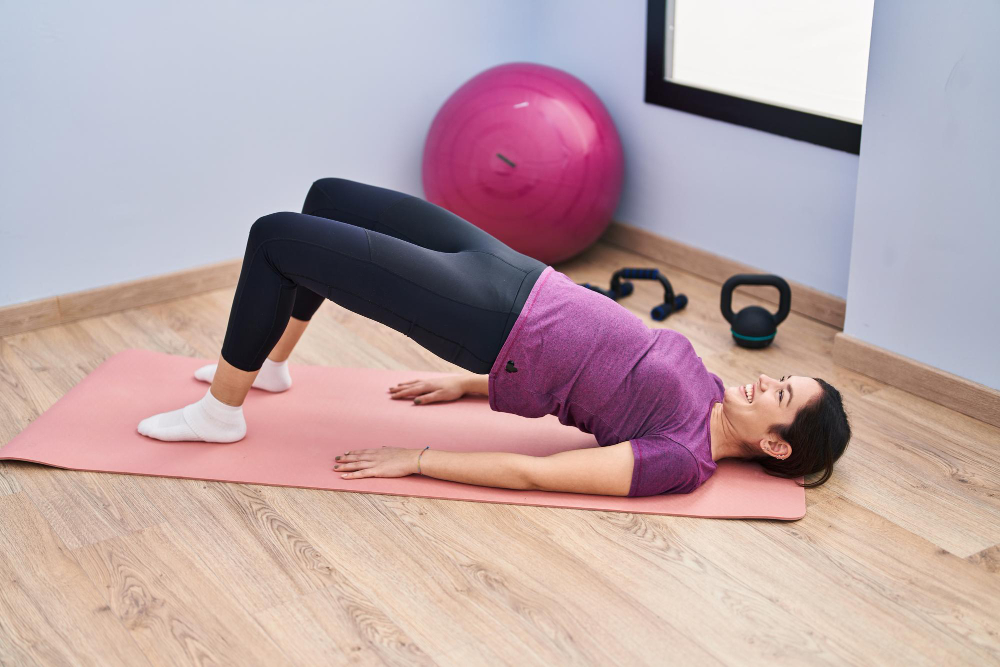
- Bridge: Lie on your back with knees bent. Lift your hips while squeezing your pelvic floor. Hold for a few seconds, then lower.
- Squats: Stand with feet apart. Lower into a squat while tightening your pelvic floor. Return to standing.
- Deep Breathing: Breathe in and gently expand your belly. As you breathe out, gently lift your pelvic floor.
Because regular practice matters, try to do these exercises daily. However, stop if you feel pain and seek advice.
Prevention and Lifestyle Tips
Besides exercises, some daily habits can protect your pelvic floor. For example:
- Maintain a healthy weight to reduce pressure on your core
- Avoid straining during bowel movements
- Stay active with walking or gentle exercise
- Practice good posture when sitting or standing
- Limit heavy lifting or learn safe lifting techniques
- Stay hydrated and eat fiber-rich foods
Because small changes add up, these tips can help keep your pelvic floor strong for years to come.
When to Consult a Physiotherapist
Sometimes, self-care is not enough. If you have ongoing symptoms, pain, or trouble with daily activities, it’s time to seek help. A qualified physiotherapist can assess your pelvic floor and create a plan just for you. Early treatment often leads to better results. In addition, professional guidance ensures you do exercises safely and effectively.
Consult a qualified physiotherapist at HOPE BRAIN & SPINE Physiotherapy & Rehabilitation Clinic for personalized pelvic floor assessment and guidance.