Introduction
Chronic Obstructive Pulmonary Disease (COPD) makes breathing hard. Many people with COPD struggle with daily tasks. However, respiratory rehabilitation for COPD can help. This program uses COPD breathing exercises and other methods to improve lung function in COPD. Pulmonary rehab for COPD also teaches ways to manage symptoms. As a result, many patients feel better and live more active lives. In this blog, you will learn about COPD, its symptoms, and how respiratory rehabilitation can help you breathe easier.
What is COPD?
COPD stands for Chronic Obstructive Pulmonary Disease. It is a long-term lung disease. People with COPD have blocked airways, which makes it hard to breathe. Usually, COPD develops after years of lung damage, often from smoking. But, air pollution and workplace dust can also cause COPD. According to the World Health Organization (WHO), COPD is a leading cause of illness worldwide.
Symptoms and Impact on Daily Life
People with COPD often notice these symptoms:
- Shortness of breath, especially during activity
- Chronic cough that does not go away
- Wheezing or noisy breathing
- Feeling tired or weak
- Frequent chest infections
Because of these symptoms, daily life can be tough. For example, climbing stairs or walking short distances may feel hard. Some people avoid social events due to breathing problems. Over time, COPD can limit independence. But, with the right support, you can improve your quality of life.
What is Respiratory Rehabilitation?
Respiratory rehabilitation is a special program for people with lung diseases like COPD. It combines exercise, education, and support. The goal is to help you breathe better and stay active. Usually, a team of doctors, nurses, and therapists guide you. They teach safe exercises and breathing techniques. In many cities, you can find respiratory rehab programs in hospitals or clinics.
Key Components of Respiratory Rehabilitation for COPD
Respiratory rehabilitation for COPD includes several important parts:
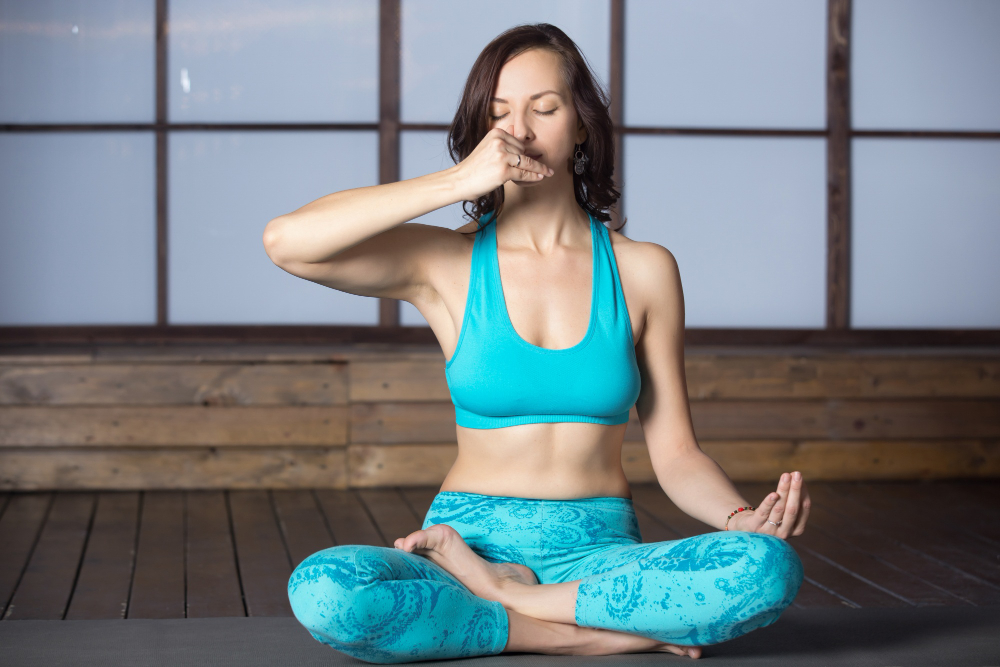
- Breathing exercises: These help you use your lungs more effectively.
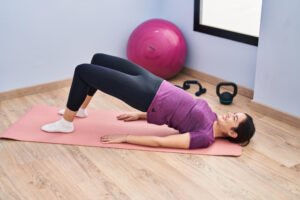
- Physical activity: Simple exercises build strength and stamina.
- Education: You learn about COPD, medicines, and symptom control.
- Nutrition advice: Eating well supports lung health.
- Emotional support: Counseling helps you cope with stress or anxiety.
Each program is tailored to your needs. For example, some people focus more on exercise, while others need help with breathing techniques.
Benefits of Pulmonary Rehab for COPD Patients
Pulmonary rehab for COPD offers many benefits. First, it can make breathing easier. Second, it helps you stay active and independent. Third, it can reduce hospital visits. According to the Centers for Disease Control and Prevention (CDC), people who join rehab programs often feel less shortness of breath. They also report better mood and energy. In addition, rehab teaches you how to manage flare-ups and avoid triggers.
At-Home Breathing Exercises and Lifestyle Tips
Even at home, you can practice simple COPD breathing exercises. Here are a few tips:
- Pursed-lip breathing: Breathe in through your nose. Then, breathe out slowly through pursed lips, like blowing out a candle.
- Diaphragmatic breathing: Place one hand on your belly. Breathe in deeply, letting your belly rise. Breathe out slowly.
- Stay active: Try gentle walks or stretching each day.
- Avoid smoke and dust: Keep your home clean and smoke-free.
- Take medicines as prescribed: Always follow your doctor’s advice.
With regular practice, these steps can help improve lung function in COPD.
Prevention and Long-Term Management
Preventing COPD from getting worse is important. Here are some ways to manage your condition long-term:
- Quit smoking if you have not already
- Get regular check-ups with your doctor
- Take all medicines as directed
- Stay up to date with vaccines, like the flu shot
- Join a support group for people with COPD
With these steps, you can slow down COPD and enjoy a better quality of life. Early action makes a big difference.
Conclusion
In summary, respiratory rehabilitation for COPD can help you breathe easier and live better. It combines exercise, education, and support. Many people find that pulmonary rehab for COPD improves their daily life. If you or a loved one has COPD, consult a respiratory specialist or physiotherapist at HOPE BRAIN & SPINE Physiotherapy & Rehabilitation Clinic for personalized COPD rehabilitation guidance.