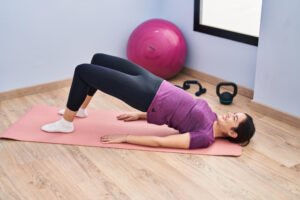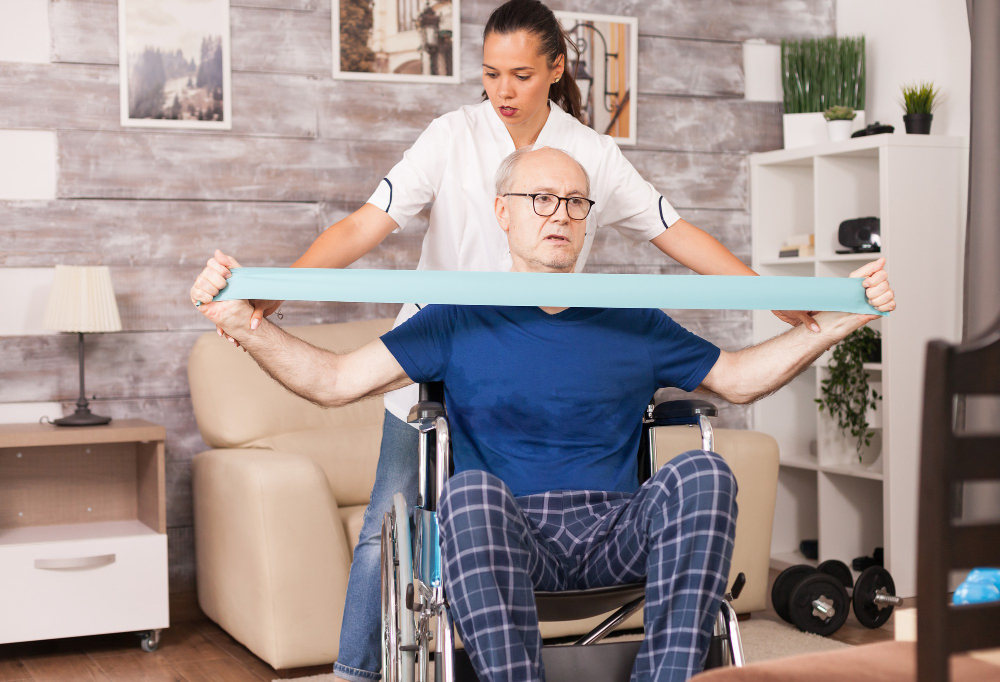
Physiotherapy for cerebral palsy is a key part of care for many children and adults. In fact, it helps improve movement, strength, and daily life skills. Many families look for cerebral palsy physiotherapy benefits to support their loved ones. Physical therapy for cerebral palsy in children can make a big difference in growth and independence. Moreover, rehabilitation for cerebral palsy often includes regular physiotherapy sessions. If you live in a city with specialized centers, you may find more options for care. This guide explains how physiotherapy helps, what to expect, and tips for families.
What is Cerebral Palsy?
Cerebral palsy is a group of conditions that affect movement, balance, and posture. It usually starts before or during birth. Sometimes, it can happen soon after birth due to brain injury. Children with cerebral palsy may have stiff muscles, weak muscles, or trouble with coordination. Adults with cerebral palsy may also face these challenges. Although cerebral palsy does not get worse over time, its effects can change as a person grows. According to the CDC, cerebral palsy is the most common motor disability in children.
How Physiotherapy Helps Cerebral Palsy
Physiotherapy is a main part of treatment for cerebral palsy. It helps people move better and do more on their own. For example, a physiotherapist may teach exercises to stretch tight muscles. They may also help improve balance and walking. In many cases, physiotherapy can prevent joint problems or pain. Because every person is different, the therapy plan is made to fit each person’s needs. The World Health Organization recommends early therapy for the best results.
Common Physiotherapy Techniques for Cerebral Palsy
Physiotherapists use many techniques to help people with cerebral palsy. Some common methods include:
- Stretching exercises: These help keep muscles loose and prevent stiffness.
- Strength training: This builds muscle power for daily activities.
- Balance and coordination exercises: These help with walking and standing safely.
- Gait training: This teaches better walking patterns.
- Use of special equipment: Sometimes, braces or walkers help with movement.
- Functional training: This focuses on skills like sitting, standing, or reaching.
Because each person is unique, the therapist will choose the best mix of techniques.
Benefits of Physiotherapy for Children and Adults with Cerebral Palsy
Physiotherapy offers many benefits for people with cerebral palsy. For children, early therapy can help them reach important milestones. Adults can also gain from regular sessions. Some key benefits include:
- Better movement and flexibility
- Increased strength and balance
- Improved ability to do daily tasks
- Less pain and fewer muscle spasms
- Lower risk of joint or bone problems
- More independence and confidence
Moreover, families often notice a boost in their loved one’s mood and social skills.
What to Expect During Physiotherapy Sessions
During your first visit, the physiotherapist will check your movement and needs. They may ask about your goals and daily challenges. Next, they will create a plan just for you. Each session may include exercises, stretches, and practice with equipment. Sometimes, the therapist will teach family members how to help at home. Sessions usually last 30 to 60 minutes. Over time, you may see steady progress. However, results can vary for each person.
Tips for Families and Caregivers
Families and caregivers play a big role in therapy success. Here are some helpful tips:
- Attend therapy sessions when possible
- Practice exercises at home as advised
- Keep a positive and patient attitude
- Ask questions if you are unsure about any part of therapy
- Work closely with your therapist for the best results
- Celebrate small achievements along the way
Because support at home is so important, stay involved in the therapy process.
Prevention of Complications Through Physiotherapy
Physiotherapy can help prevent many problems linked to cerebral palsy. For example, regular stretching can stop muscles from getting too tight. Strength exercises may lower the risk of falls or injuries. In addition, therapy can help avoid joint pain and bone issues. Early and ongoing therapy is key to keeping the body as healthy as possible. According to experts, starting therapy early gives the best chance to prevent future problems.
If you or your loved one has cerebral palsy, consult a physiotherapist at HOPE BRAIN & SPINE Physiotherapy & Rehabilitation Clinic for personalized advice on managing cerebral palsy.