Introduction
Parkinson’s disease is a condition that affects movement. Many people with Parkinson’s notice slow, stiff, or shaky movements. However, there is hope. Parkinson’s physiotherapy exercises, especially “large” exercises, can help. These exercises use big, strong movements to improve mobility in Parkinson’s. In fact, research shows that benefits of large amplitude movements for Parkinson’s include better balance and walking. Parkinson’s exercise therapy, like LSVT BIG therapy, is now a key part of care. Let’s explore how these exercises work and why they matter.
What is Parkinson’s Disease?
Parkinson’s disease is a brain disorder. It causes problems with movement, balance, and muscle control. Usually, symptoms start slowly. Over time, they may get worse. Common signs include:
- Shaking or tremors in the hands or legs
- Stiff muscles
- Slow movement
- Trouble with balance or walking
Although the exact cause is not clear, experts believe it involves a loss of brain cells that make dopamine. According to the World Health Organization (WHO), Parkinson’s affects millions worldwide. Yet, with the right care, many people can manage their symptoms well.
Understanding “Large” Exercises in Physiotherapy
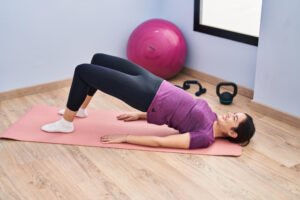
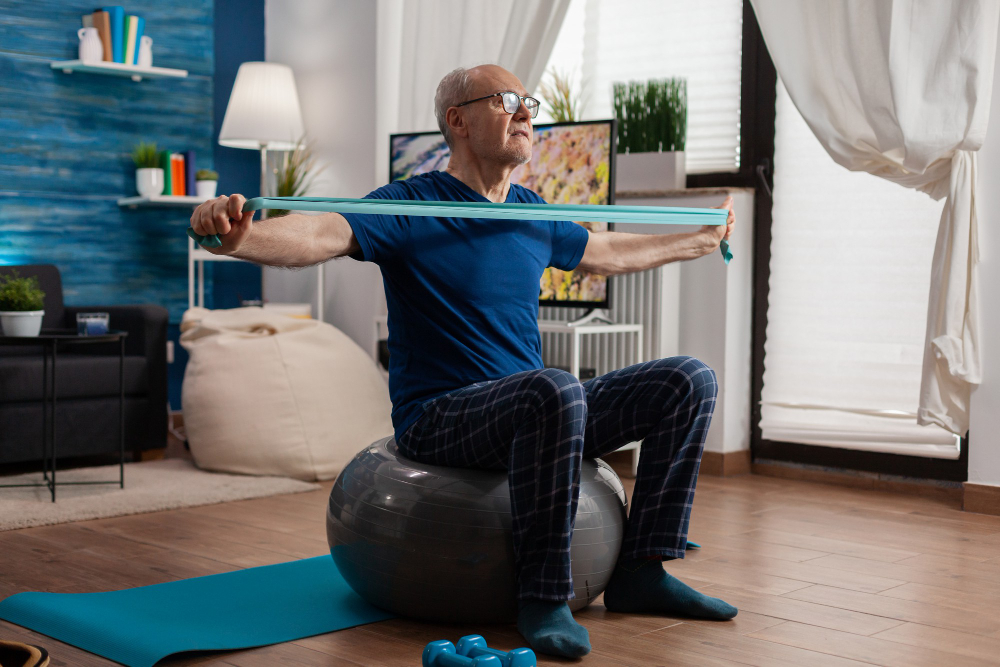
So, what are “large” exercises? In physiotherapy, these are movements done with big, wide motions. For example, reaching high, stepping far, or swinging arms wide. LSVT BIG therapy is a popular program that uses these ideas. It helps people with Parkinson’s move more easily. Importantly, these exercises are not just about size. They also focus on speed, strength, and control. Many therapists use large exercises as part of Parkinson’s physical therapy to help patients stay active and safe.
How “Large” Exercises Benefit People with Parkinson’s
Large exercises offer many benefits for people with Parkinson’s. For instance, they can:
- Improve walking and balance
- Make movements less stiff
- Boost confidence in daily tasks
- Help prevent falls
- Increase strength and flexibility
Moreover, these exercises can make daily life easier. For example, reaching for a shelf or getting up from a chair becomes less of a struggle. Because Parkinson’s can make movements smaller and slower, practicing large movements helps “reset” the body’s sense of motion.
Evidence and Research Supporting Large Exercises
Many studies support the use of large exercises for Parkinson’s. For example, research in the journal Movement Disorders shows that LSVT BIG therapy improves walking speed and balance. The American Parkinson Disease Association also recommends large amplitude exercises. According to the Centers for Disease Control and Prevention (CDC), regular physical activity helps people with Parkinson’s stay independent longer. Clearly, science backs the benefits of large exercises in Parkinson’s exercise therapy.
Tips for Safe Exercise and Getting Started
Before starting any new exercise, talk to your doctor or physiotherapist. Here are some tips to help you begin safely:
- Start slow and increase activity over time
- Use a sturdy chair or wall for support if needed
- Wear comfortable clothes and shoes
- Exercise with a friend or family member
- Stop if you feel dizzy or unwell
- Follow a routine designed by a trained therapist
In addition, always listen to your body. If something feels wrong, pause and ask for help. Many local clinics offer Parkinson’s physical therapy programs. You can also find online videos or group classes for extra support.
Prevention and Lifestyle Guidance
While there is no cure for Parkinson’s, a healthy lifestyle can help. For example, regular exercise, good sleep, and a balanced diet support brain health. Staying social and active also boosts mood and well-being. Here are some simple steps:
- Exercise most days of the week
- Eat fruits, vegetables, and whole grains
- Stay connected with friends and family
- Join a support group if you need extra help
- Keep up with regular doctor visits
Remember, small changes add up. Even gentle activity can make a big difference over time.
Conclusion
In summary, Parkinson’s and the power of large exercises go hand in hand. These movements help improve mobility, balance, and quality of life. If you or a loved one has Parkinson’s, consider adding large amplitude exercises to your routine. Consult a physiotherapist at HOPE BRAIN & SPINE Physiotherapy & Rehabilitation Clinic for personalized Parkinson’s exercise guidance.