Introduction to Stroke and Cognitive Impairment
Many people face challenges after a stroke. Restoring cognitive function after stroke is a key goal for recovery. Often, stroke survivors may struggle with memory, thinking, or problem-solving. However, physiotherapy for stroke recovery can help improve these skills. According to the World Health Organization (WHO), early support can make a big difference. In this blog, we will explore how physiotherapy aids in cognitive rehabilitation after stroke.
How Stroke Affects Cognitive Function
After a stroke, the brain may not work as it did before. For example, some people may forget things more easily. Others may find it hard to focus or make decisions. Because the brain controls many actions, even simple tasks can become difficult. In addition, stroke can affect speech, attention, and understanding. These changes are called cognitive impairments. Not everyone will have the same problems, but many stroke survivors notice changes in their thinking skills.
The Role of Physiotherapy in Cognitive Recovery
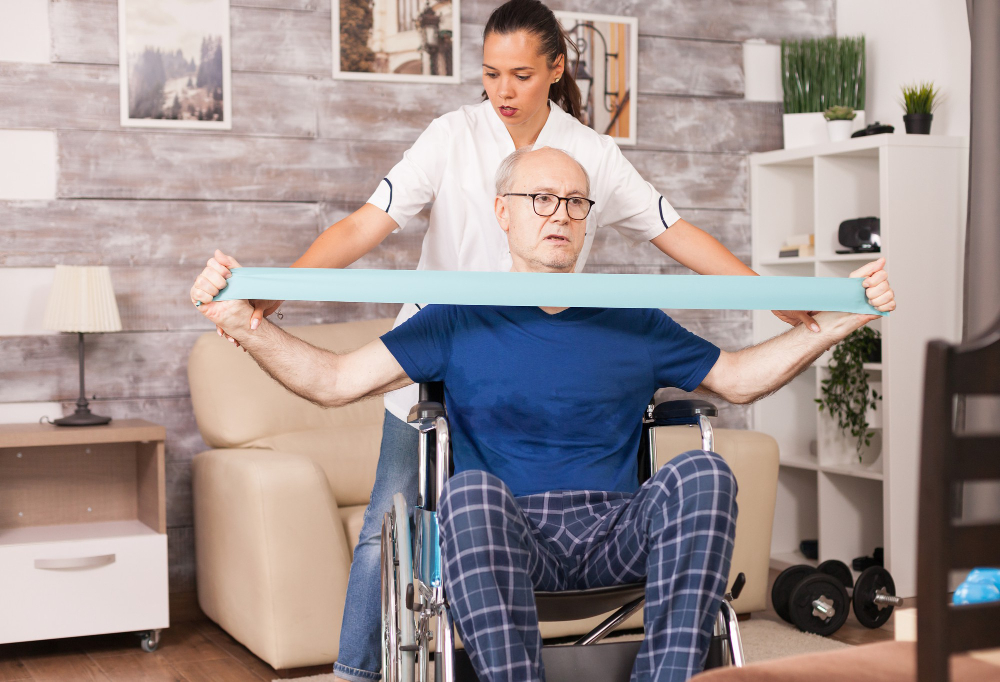
Physiotherapy plays a vital role in stroke recovery. Not only does it help with movement, but it also supports the brain’s healing. For instance, physiotherapists use special exercises to boost memory and attention. They also teach ways to solve problems and plan daily tasks. Because every stroke is different, physiotherapists create a plan that fits each person’s needs. This approach is known as cognitive rehabilitation after stroke. According to the Centers for Disease Control and Prevention (CDC), early therapy can improve outcomes.
Common Physiotherapy Techniques for Cognitive Rehabilitation
There are several techniques that physiotherapists use to help restore cognitive function. Some of the most common methods include:
- Task Practice: Repeating daily activities, like dressing or cooking, to build memory and focus.
- Problem-Solving Exercises: Working on puzzles or games that challenge the brain.
- Attention Training: Practicing tasks that require focus, such as sorting objects or following instructions.
- Memory Aids: Using notes, alarms, or calendars to help remember important things.
- Physical Activities: Simple exercises that combine movement and thinking, like walking while counting steps.
Because these techniques are tailored, stroke physiotherapy benefits each person in unique ways.
Benefits of Early Physiotherapy Intervention
Starting physiotherapy soon after a stroke offers many benefits. For example, early therapy can help the brain relearn lost skills. It may also prevent further decline in thinking abilities. Moreover, early action can boost confidence and independence. According to research published in peer-reviewed journals, people who begin therapy early often recover faster. Therefore, it is important to seek help as soon as possible.
Tips for Supporting Cognitive Recovery at Home
Family and friends play a big part in recovery. Here are some tips to support cognitive rehabilitation at home:
- Encourage daily routines to build memory.
- Use simple reminders, like sticky notes or phone alarms.
- Break tasks into small, easy steps.
- Give plenty of time to complete activities.
- Play memory or word games together.
- Keep the home calm and free from distractions.
With patience and support, many people see steady progress.
When to Consult a Physiotherapist
It is important to seek help if you notice changes in memory, focus, or problem-solving after a stroke. For instance, if daily tasks become hard or confusing, a physiotherapist can help. Additionally, if you feel stuck or do not see progress, professional guidance is key. Early support can make recovery smoother and more effective. Always consult a qualified physiotherapist at Revive Skin Hair Dental Physiotherapy and Nutrition Clinic for personalized stroke recovery guidance.